
The Allure of Chance
Casino games are often deeply rooted in the element of chance, a fundamental psychological driver for many players. The uncertainty surrounding outcomes generates an adrenaline rush, compelling individuals to engage in these activities despite the associated risks. This unpredictability taps into cognitive biases, such as the gambler’s fallacy, where players mistakenly believe that past events can influence future results. Consequently, games like roulette and slot machines become particularly enticing, as players explore various strategies or even seek online casino sister sites that offer similar experiences, all promising the thrill of potential wins against the backdrop of uncertainty.
Moreover, the thrill of winning, albeit improbable, typically overshadows rational thought. Players often find themselves chasing losses or continuing to play in the hope of hitting a big payout. This psychological phenomenon is bolstered by reward systems that create a feedback loop; periodic wins can encourage further engagement and risk-taking, even when the overall odds are against the player. This cycle can lead to increased time spent in casinos and an escalation in betting amounts as individuals become absorbed by the allure of chance.
The sensory stimulation present in casinos—from vibrant lights to captivating sounds—further enhances the allure of chance. Research shows that these environmental cues can heighten arousal and anticipation, magnifying emotional responses. When players experience a win, it is often accompanied by an intense rush of euphoria and excitement, cementing the connection between the thrill of chance and the psychological pleasure derived from engaging in gambling activities. This multi-sensory experience creates an environment that is difficult to resist, drawing players back repeatedly.
Social Dynamics in Casino Gaming
Casinos function not only as venues for gambling but also as social hubs where players can connect and share experiences. The social environment significantly influences behavior and decision-making at gaming tables. Many individuals are attracted to the communal aspect of games like poker or blackjack, where interaction is a core component. The presence of other players fosters a sense of belonging, making the gaming experience more enjoyable and immersive, enhancing the overall psychological appeal of casinos.
Group dynamics can spur players to take risks they might otherwise avoid when playing alone. This phenomenon, often referred to as “social nudging,” implies that individuals feel empowered to make larger bets or take bolder actions when surrounded by peers. This peer influence can lead to collective behaviors, such as celebrating wins together or sharing in the disappointment of losses, further solidifying a player’s attachment to the casino experience. The social reinforcement provided by this communal atmosphere amplifies the appeal of gambling.

Furthermore, the casino environment cultivates camaraderie among patrons. Players often share strategies, stories, and insights, creating unique bonds over common interests. This social interaction can lead to multi-generational participation in casino games, as knowledge and traditions are passed down through families. Ultimately, social aspects significantly enhance the psychological draw of casinos, transforming them from mere gambling venues into vibrant communities centered around fun and entertainment.
The Role of Emotion in Gambling
Emotions are pivotal in shaping the gambling experience, significantly influencing player behavior and decision-making. For many, casino games serve as an escape from reality, where the thrill of potential wins can evoke feelings of joy and exhilaration. However, this emotional rollercoaster can also lead to adverse outcomes, such as addiction and financial distress. The intensity of emotions linked to wins and losses can create a compelling need for players to return to the gaming floor, further complicating their relationship with gambling.
The concept of ‘loss aversion’ illustrates how individuals often perceive losses more acutely than equivalent gains. This psychological phenomenon can lead players to gamble more aggressively in an attempt to recover lost funds, resulting in a dangerous cycle of chasing losses. Emotional responses to wins and losses can cloud judgment, making it challenging for players to adhere to self-imposed limits or to walk away when rational thinking suggests they should. A deeper understanding of these emotional dynamics is crucial for both players and operators aiming to promote responsible gaming.
Moreover, the emotional environment within casinos is meticulously curated by designers and operators to elevate player experience. From the layout of the gaming floor to the carefully selected soundtrack playing in the background, these elements collectively evoke excitement and anticipation. The combination of these emotional factors creates an atmosphere that can heighten engagement and prolong gameplay, which is a significant consideration in the psychological impact of casino games. This deliberate design can lead to an immersive experience that keeps players returning for more.
Behavioral Patterns and Player Types
Understanding the different behavioral patterns and player types within casinos is essential for grasping the overall psychology of gaming. Players can typically be categorized based on their motivations and approaches to gambling. For instance, some individuals engage in gaming primarily for the thrill and excitement, often referred to as ‘the thrill-seekers,’ while others may view it as a form of entertainment or social activity, known as ‘the recreational players.’ Each group demonstrates distinct behaviors that influence how they interact with games and manage risks.
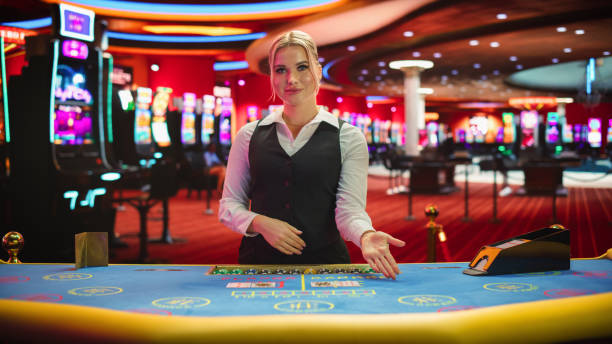
Additionally, players encounter various psychological effects, such as the ‘hot-hand fallacy,’ which leads them to believe in streaks of winning when, in reality, each outcome is independent. Recognizing these patterns helps in understanding why certain players may exhibit erratic behaviors or become trapped in losing streaks. This knowledge can inform strategies for promoting responsible gambling, allowing operators to tailor their approaches based on the unique profiles of different player types, thus enhancing the overall gaming experience.
The environment can also amplify these behaviors. The design of casino games—including colorful graphics, animations, and sound effects—can evoke specific emotions tied to player types. These features create an immersive experience that reinforces particular gambling patterns, making it easier for players to lose track of time and money. Consequently, understanding behavioral patterns and player types is vital for enhancing the gaming experience while recognizing the pressing need for responsible play initiatives within the casino context.
Connecting Psychology to Responsible Gaming
Raising awareness of the psychological aspects of gambling is crucial for promoting responsible gaming practices. By understanding the underlying motivations and behaviors related to casino games, stakeholders can implement strategies to mitigate the risks associated with gambling. For example, education about cognitive biases and emotional pitfalls can empower players to make informed decisions regarding their gaming habits, fostering a culture of responsibility and awareness.
Moreover, casinos and regulatory bodies can develop programs that provide resources for players to recognize when their gambling may be becoming problematic. Such initiatives could include self-exclusion options, limit-setting tools, and access to support services. By prioritizing responsible gaming, casinos can enhance their reputation while contributing to the overall well-being of their patrons. This collaborative effort is essential in creating a balanced approach to gaming.
In addition, integrating psychological insights into game design can lead to a more balanced playing experience. This could involve simplifying games to reduce cognitive overload or adjusting payout structures to encourage more sustainable gambling patterns. Ultimately, a concerted effort between players, casino operators, and regulatory agencies can foster a healthier gaming culture that respects both the excitement of casino games and the importance of responsible gambling practices, ensuring the enjoyment of gaming without the adverse effects.